The Holy Spirit in the Old Testament
by | Posted June 27th at 1:53am
In the Pentateuch (the first five books of the Bible), the Spirit of God (Ruach Elohim) is not yet defined in terms of systematic theology, but rather through action. The Spirit is depicted as God’s personal presence and power moving within the material world to execute His will.
Here are the three primary functions of the Spirit as seen in the Torah:
1. An Agent of Creation
The Spirit is introduced in the very first verses of the Bible as the force that brings order out of chaos. The Hebrew word ruach carries the dual meaning of “wind” and “breath,” suggesting a life-giving energy that prepares the world for habitation.
-
Genesis 1:2: “The earth was without form and void, and darkness was over the face of the deep. And the Spirit of God was hovering over the face of the waters.”
-
Genesis 2:7: While the word ruach isn’t used here, the “breath of life” (nishmat chayim) blown into man’s nostrils is the functional equivalent—the Spirit as the source of biological and spiritual animation.
2. An Agent of Judgment
The Spirit also acts as a moral boundary. When humanity’s rebellion reaches a breaking point, the Spirit is depicted as the “striving” presence of God that may be withdrawn, leading to divine judgment and the removal of life.
-
Genesis 6:3: “Then the Lord said, ‘My Spirit shall not abide in (or strive with) man forever, for he is flesh: his days shall be 120 years.'”
In this context, the Spirit represents God’s patience and the life-sustaining connection He maintains with creation. When the Spirit is contested by human wickedness, the result is the catastrophic judgment of the Flood.
3. An Agent of Empowerment for God’s Service
This is the most frequent function of the Spirit in the latter half of the Pentateuch. The Spirit “comes upon” or “fills” specific individuals to enable them to perform tasks that exceed human ability, specifically for the sake of the community and the Tabernacle.
For Craftsmanship and Art
-
Exodus 31:2–5: “I have filled him [Bezalel] with the Spirit of God, with ability and intelligence, with knowledge and all craftsmanship, to devise artistic designs…”
For Leadership and Prophecy
-
Numbers 11:17, 25: God takes some of the Spirit that was on Moses and places it on the seventy elders. When the Spirit rested on them, “they prophesied.”
-
Numbers 24:2: Even the pagan prophet Balaam is overcome by the Spirit of God, forcing him to speak a blessing over Israel instead of a curse.
-
Deuteronomy 34:9: “And Joshua the son of Nun was full of the spirit of wisdom, for Moses had laid his hands on him.”
Summary Table
Function Primary Role Key Scripture Creation Bringing order to chaos; animating life. Genesis 1:2 Judgment Setting moral limits; withdrawing life. Genesis 6:3 Empowerment Equipping for skill, leadership, and speech. Exodus 31:3, Numbers 11:25
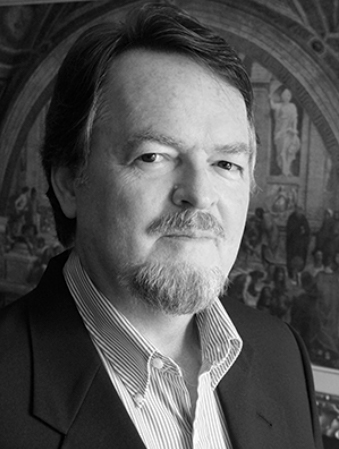
Article posted by Glen R. Jackman, founder of GraceProclaimed.org
Glen has optimized his eldership role to teach the full scope of the New Covenant of Jesus Christ without
boundaries.
You can read his testimony.